Users rated identification using a smartphone
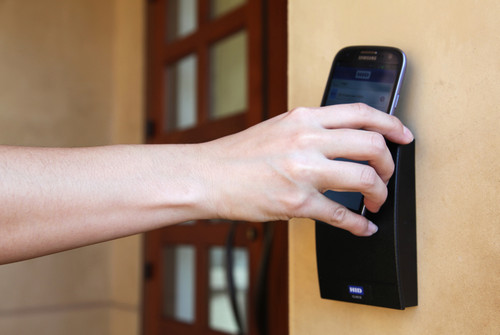
Initially, with the advent of access control and management systems (ACS), key fobs and cards were actively used to enter the territory. They could be both impersonal and unique. In the latter case, when opening the lock / turnstile, the time and identity of the person who entered entered the system’s memory. It will turn out to enter into the database quite complete information about the person - depending on the need and type of ACS.
In recent years, identification has gained popularity through a conventional mobile phone. Modern models include a special chip capable of receiving / sending a signal. It is with its help that payment is made for travel in transport or for purchases in the store directly from the phone to the terminal.
The intensity of the use of mobile technologies for identification will increase by 20% by 100% per year. By this time, the total market share in the access control system will reach 20%. This is evidenced by experts monitoring the situation.
The benefits of not having a typical key fob are obvious. Usually a smartphone is at hand, it is harder to lose (more attention than on a key fob or card). The same gadget is able to be the key to access an unlimited number of objects. If you use cards, then for each user must have a separate identifier - it is not always convenient.
Important: no one forces to massively switch to recognition of incoming via phones. Most modern readers "see" them along with the familiar key chains and cards. However, the proportion of such people inevitably decreases naturally.